


28 Feb Review: The 2026 LAOWA 90mm f/2.8 2:1 CA-Dreamer 2X Macro Lens for MFT
Being a macro photographer I have always felt very positively about lens manufacturers, that are both innovative and also produce dedicated lenses for this very special niche market called macro photography.
On the 29th of January 2026 (which is today, when I started writing this review) LAOWA released their 90mm f2.8 2x CA-Dreamer macro lens for MFT (Micro Four Thirds) mount.
It has been on the market with other mounts already.
The smaller brother, LAOWA´s 50mm 2:1, has been a favorite of mine for a long time, whenever I did not need any automated focus stacking.
You can find my review on the LAOWA 50mm here.
When LAOWA provided me a lens for reviewing, I was extremely curious as to how the LAOWA 90mm f2.8 2:1 CA-Dreamer would perform.
Let´s find out.
Non-technical review: while there are more than enough reviews to be found online, covering the technical details of the Laowa 90mm, including comparison charts, my review focuses on the practical use of the lens, particularly in the field of macro photography.
Sample shots have been taken handheld and with higher apertures than I would usually use, to get an idea of the resulting image quality.
Lens build quality
When I picked up the 90mm for the first time, after unboxing, I was immediately reminded of that feeling you get, when you handle full-metal vintage lenses – in a positive way!
That was cold metal weighing heavy in my hand, feeling like precision-made high quality.
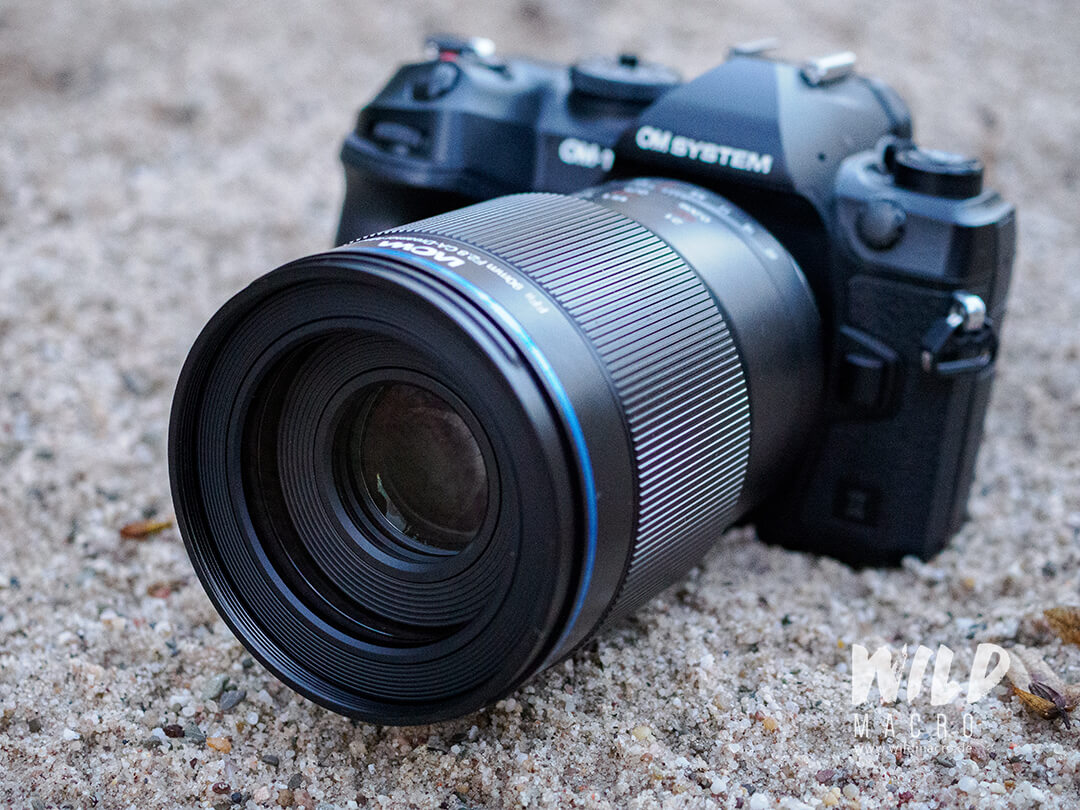
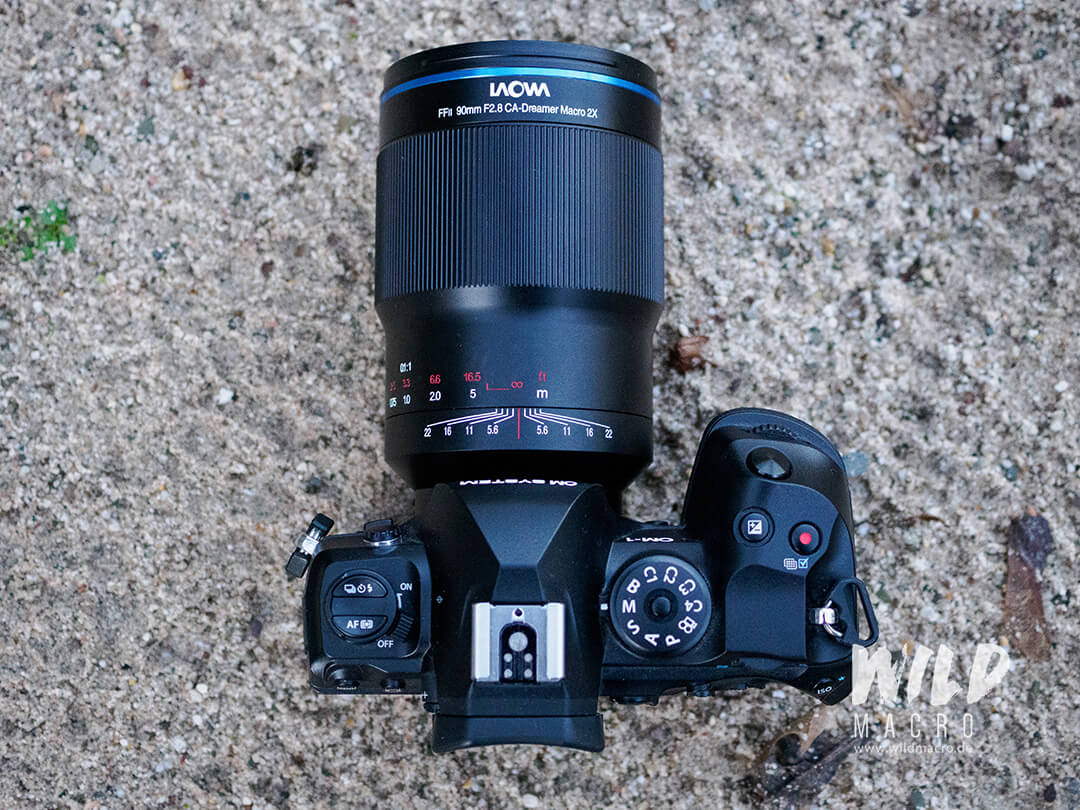
In comparison to my Olympus / OM SYSTEM lenses, I knew instantly, that this was going to be a front-heavy lens that was pulling my setup forward – which is nice, as it takes weight off the palm and actually gives me a better grip.
Yes, that´s a very personal experience, you might very well feel the opposite and prefer a lighter lens for an MFT setup, which is totally fine.
Specifications of the LAOWA 90mm f2.8 2X Macro (MFT)
The strengths of the lens are straightforward obvious: it is the high magnification of 2:1 and its metal build (quality).
It is a purely manual lens, when it comes to focusing: there is no auto-focus (AF).
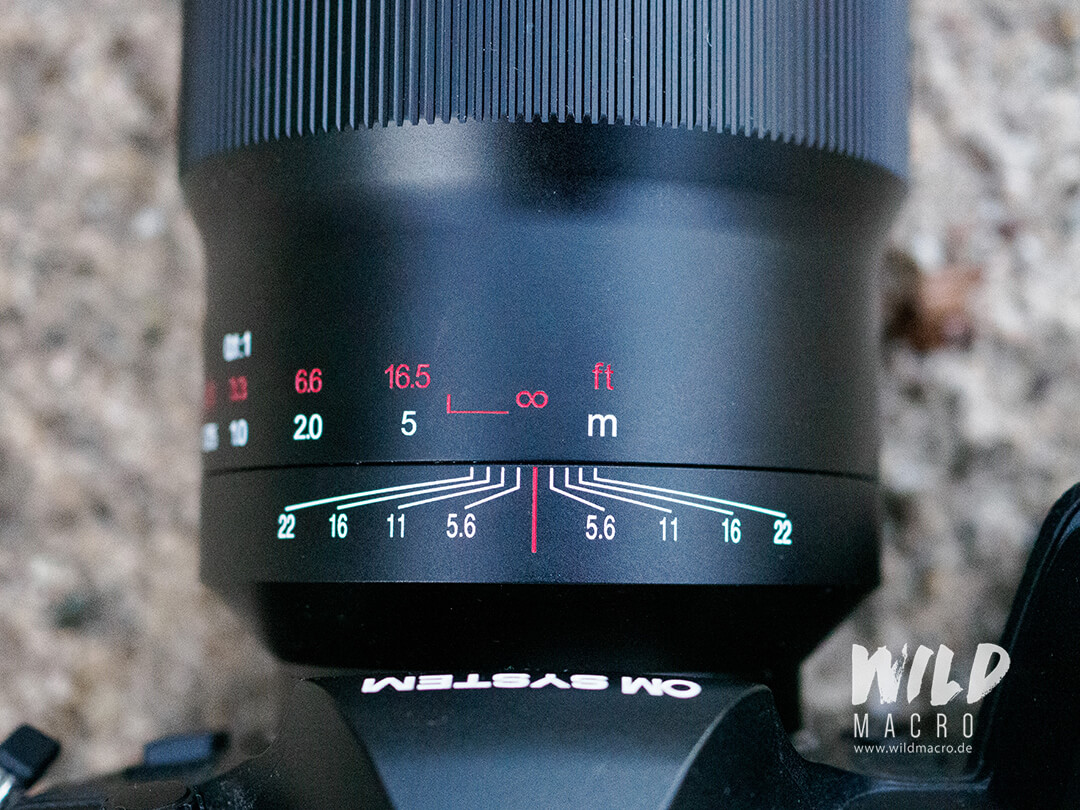

Is that a disadvantage? Not necessarily, as this is a specialist lens, which will most probably be used for macro work primarily.
We will discuss this further, when it comes to actually using the LAOWA 90mm in the field.
Looking at the size, the 90mm is considerably shorter than LAOWA´s 100mm and also other classic 90mm macros.
Though a bit front-heavy, the LAOWA 90mm is still compact and its waisted look improves the handling.

In comparison, with a weight of 542 grams the LAOWA 90mm 2x (lens only, no caps, no hood) lies within the range of other brands´ 90mm and 100mm macro lenses.
While beaten by the OM System M.Zuiko 90mm 2x, weighing only 453 grams, the Laowa 100mm 2x Ultra Macro APO (Full Frame) weighs 638 grams, and a Canon RF 100mm L Macro is almost 50% heavier with its 730 grams.
An FFII marking on the lens reveals, that the LAOWA 90mm range was originally designed for mirrorless full frame sensors.
For a full frame lens with 2:1 abilities, the Laowa 90mm is remarkably compact and light.
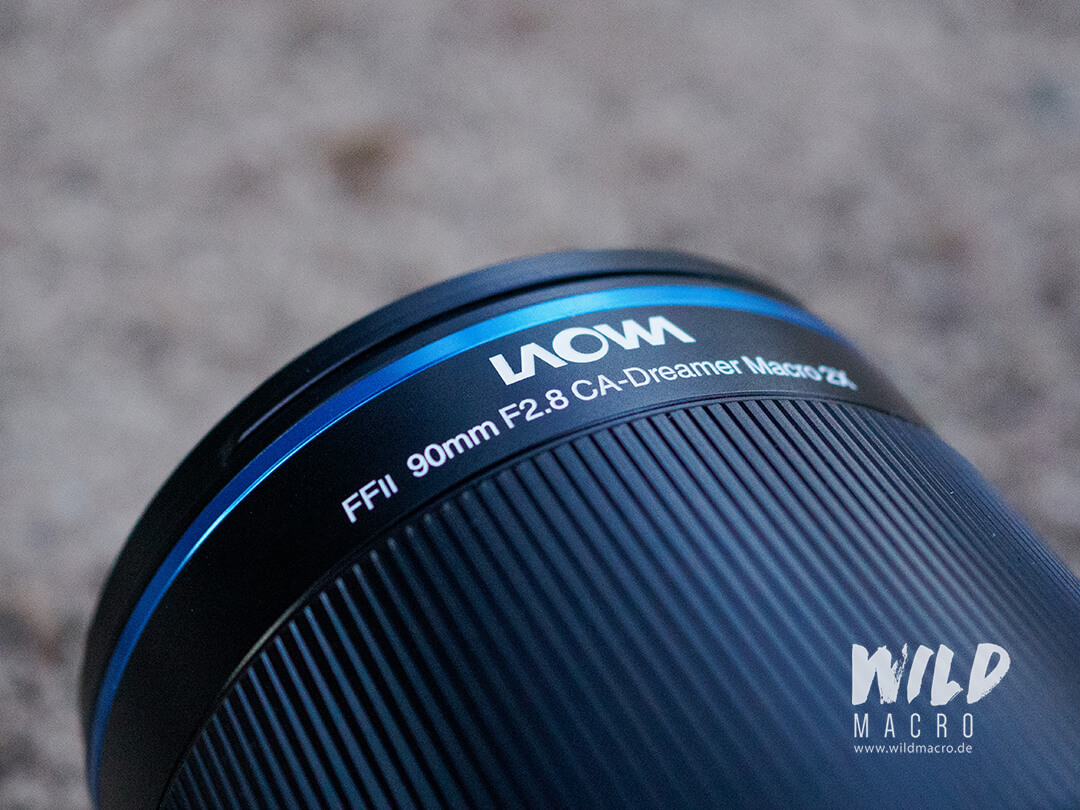
A lens hood is included in the box.
One thing that really bothers me, is that the red mount-marking is only on the back of the metal mount but not on the side of the lens.
That would make attaching it quickly so much easier and I do not understand why this is not a standard marking in 2026 accross all lens manufacturers.
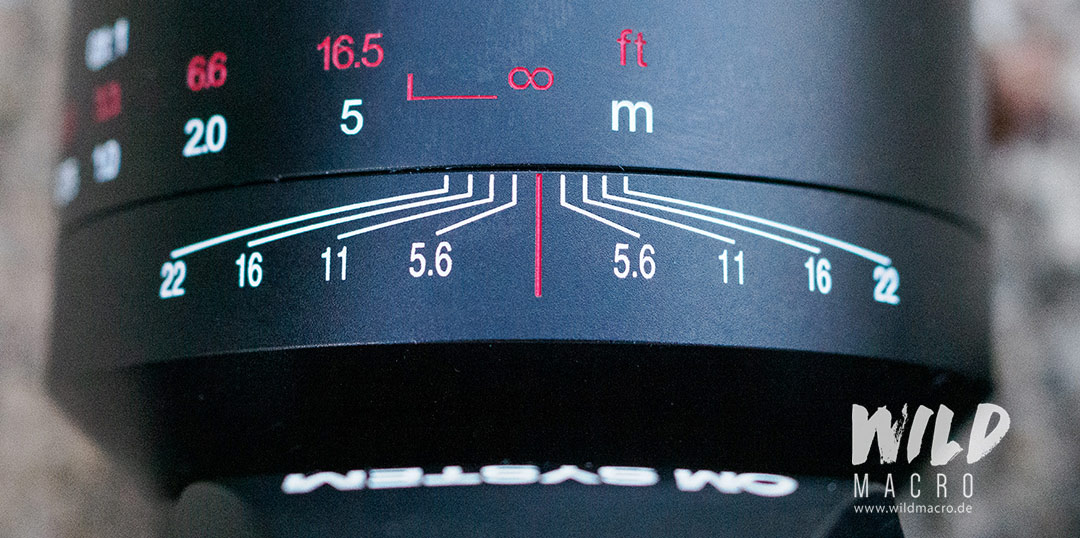
Update and correction: I realized LAOWA did indeed add a marking, however it was so subtle and unusual that I did not realize it straight away.
The red marking stripe to select the magnification (between the f5.6 markings) is at the exact position of the red dot to align the mount on the camera body.
- Weight: 542 grams (lens only), 569 grams (lens+caps), 608 grams (lens+caps+hood)
- Dimensions: Ø74 x 120mm
- Aperture blades: 13
- Minimum focusing distance: 20.5cm (measured sensor to front lens element)
- Angle of view: 27°
- Lenses: 13 elements in 10 groups (3 ED elements)
- Filter thread: Ø 67mm
Image quality
To be honest, I was not worried the slightest regarding this LAOWA lens´ image quality.
Having extensively used both their 100mm 2:1 (read my review here) and 50mm 2:1 macro, I already knew that the 90mm f2.8 2X would also produce tack sharp images with a nice contrast.
My first tests did not disappoint!
If you do not mind using a fully manual lens, then you will get excellent optical quality.
The 13 blade aperture creates nice, round and creamy bokeh.
With its excellent colour correction, the LAOWA 90mm f2.8 2x produces contrasty images with colors that lean more to the intense side than being dull.
An apochromatic (APO) characteristic makes sure that you will hardly find any color fringing.
Taking a lookat the optical MTF charts on the LAOWA website, it appears the sweet spot of the LAOWA 90mm f2.8 2x is generally around f8 (up to f11 accross the various mounts), both for 1:1 and 2:1 magnification.
I had that confirmed by LAOWA, as well.
Beyond this spot, the charts see the resolution of fine details and contrast start declining, with their biggest impact towards the highest apertures..
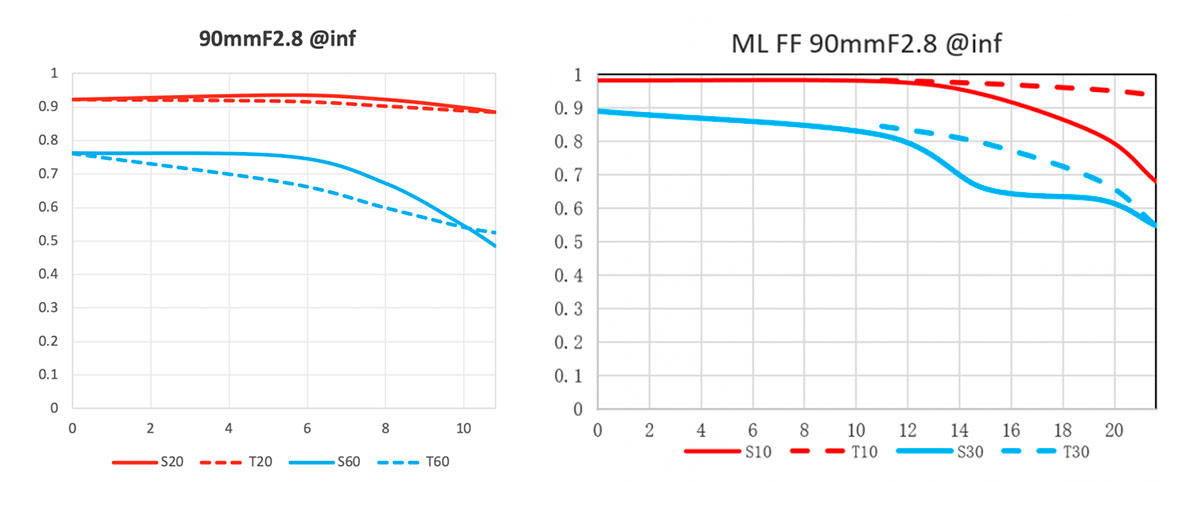
Due to the technical design of the Micro four thirds sensor, diffraction kicks in earlier than you might be used from a full frame sensor, so I would not recommend using the top-end apertures like f16 up to f22.
Even with opened apertures, the LAOWA 90mm offers a remarkable resolution of details and intense contrast, though the shallow depth of field has to be considered with such settings.
If you are doing manual focus stacking, opening the aperture a bit more is a good idea to prevent diffraction and get the best sharpness-light-ratio.
I often start around f5.6.
In the end it comes down to which setting enables you to get the desired shot.
Looking at my photos from a fieldtrip at home, I have often thought “damn, I wish I had used a higher aperture to get my subject in focus, instead of trying to do a focus stack”, which was then ruined by a missed layer or movement from the subject.
Handling: Using the LAOWA 90mm f2.8 2X macro (MFT) in the field
As mentioned earlier, the metal body of the LAOWA 90mm f2.8 2x feels great.
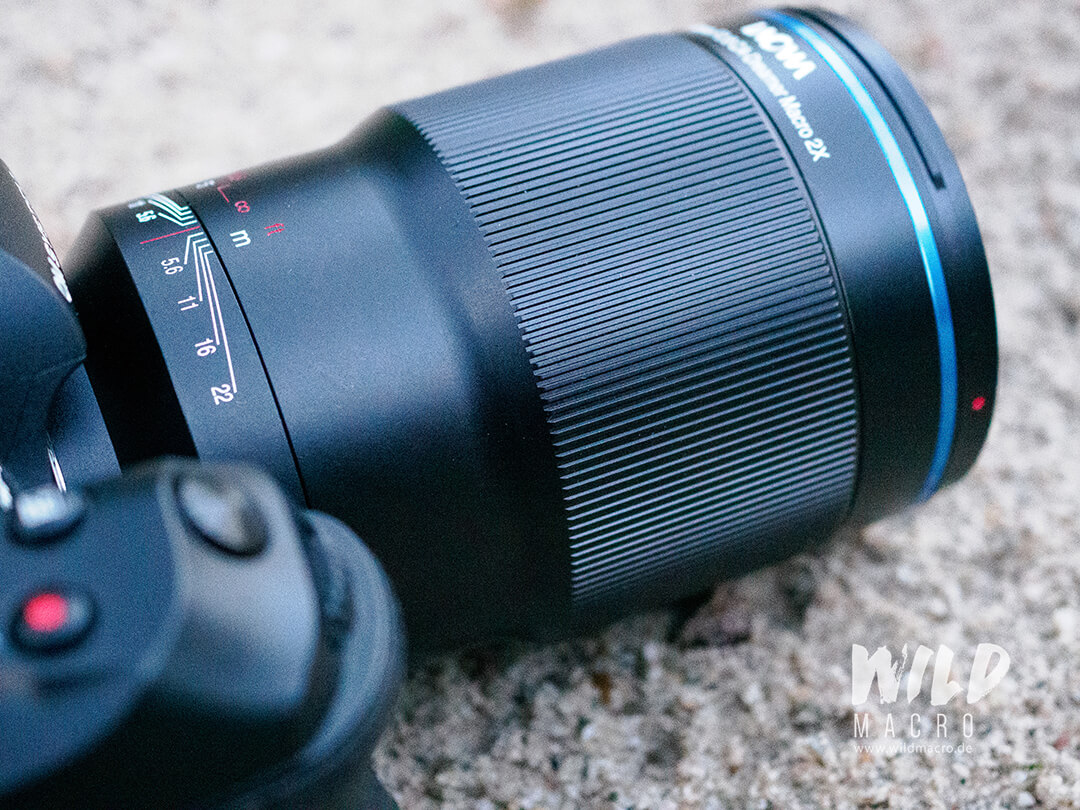
The extraordinarily large focus ring, which spans almost the complete length of the lens, is nicely damped.
For my personal taste, the focus throw could be a tad more loose, but the level of control is spot on anyways.
As soon as you reach 1:1 magnification, you will realize that the distance to reach 2:1 increases exponentially like also seen on the lens markings.
The distance from infinity to 1:1 is considerably shorter than it is from 1:1 to the maximum magnification of 2:1.
If you prefer auto focus, then this lens will disappoint you, as the only electronic contacts on it are for aperture communication and control.
I highly recommend using the focus peaking function of your camera, to assist during the manual focusing process.
With focus peaking, whatever part of your subject is in focus, will be highlighted in the viewfinder in a color of your choice.
Focusing
As mentioned before, the LAOWA 90mm f2.8 2:1 macro uses manual focusing only.
With a bit of practice, you will quickly learn to master manual focusing and also realize that this gives you ultimate freedom, when it comes to creative subject selection.
Your eye combined with your hand controlling the focus, will always be superior to an automated, even AI-backed, focusing system.
The AF will never know what you want the focus to be on, even though you can of course narrow the area by choosing a small AF field.
However, when it comes to focusing at extremely short distances at high magnifications, an AF will show its limitations.
This results in the AF needing more time to find and lock focus, or so called pumping focus, where it drives back and forth trying to find the focus point.
At the same time your subject might be moving as well, which can ultimately lead to you missing out a great shot, which you would otherwise have nailed with MF.
If you are looking for a lens that offers comfortable and reliable, fast focusing on moving subjects (agile wildlife, portraits, people, cars), then you might want to get an AF lens.
It depends on what you plan to photograph.
In my opinion, for macro photography, using auto-focus at any magnification above 1:1 will actually slow your workflow down.
Even at 1:1 it can be difficult to get your focus onto the desired area before your subject moves.
Manual focusing gives you full control and with the right technique you will be able to get your shots on quickly with a high hit-rate.
The only undisputable negative aspect of the MF is that it will not work with the internal focus bracketing and stacking modes on the OM SYSTEM cameras.
The higher the magnification, the shallower the depth of field will be, hence why it makes sense to create a focus stack.
However, for these focus stacks you will have to rely on a manual process.
To keep the lens relatively short and compact, Laowa has designed the 90mm macro with internal focusing.
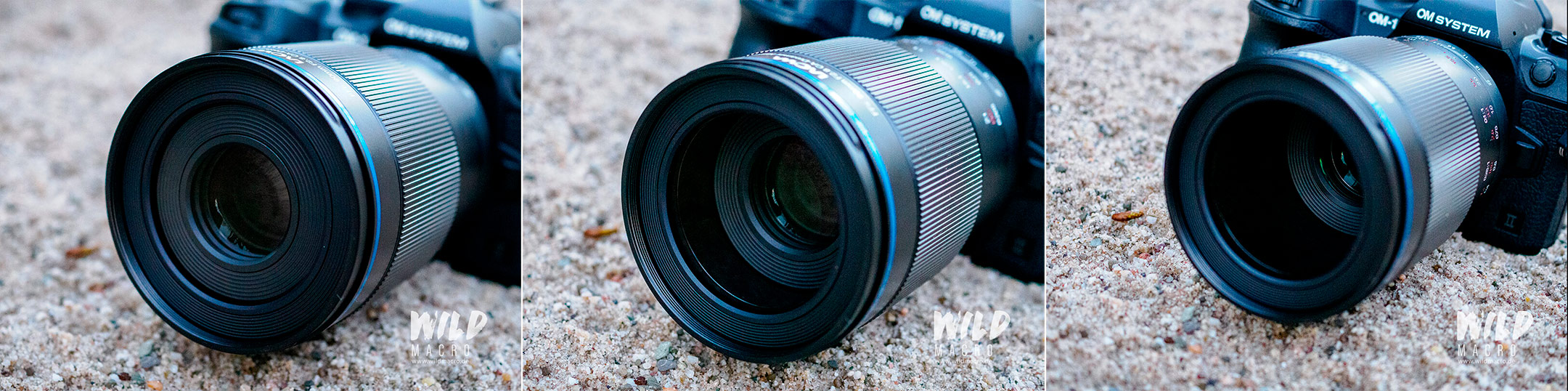
This means the lens will not protude when you change the magnifications.
There are macro lenses, that do that, like the Tamron 90mm 1:1 macro or the infamous Canon MP-E 65 5x lens.
Aperture
At least for the aperture control, LAOWA added contacts to the lens mount, so you can set the aperture comfortably on the camera body.
This is a must-have feature for every modern lens in my opinion, though.
The Bokeh produced by the LAOWA 90mm looks very nice and, depending on the scenario, the aperture blades create both nice round circles and a creamy background open wide.
Pros and Cons
Pro
- 2:1 magnification
- Lens body mostly made from metal
- internal focusing
- focus-throw feels smooth
- lens hood included
- images are rendered contrastly and with intense colors
- at 499 USD fairly priced for a compact 2:1, metal body macro lens
- auto-aperture control included
Con
- despite being advertised as lightweight, I´d say the lens has standard weight and feels a bit front-heavy
- firmware update port is micro USB (should be USB-C instead)
- no AF, it is a purely manual lens (which also means no automated focus stacking)
Sample images
As it is still winter here in Germany, there are not many insects or spiders around (yet).
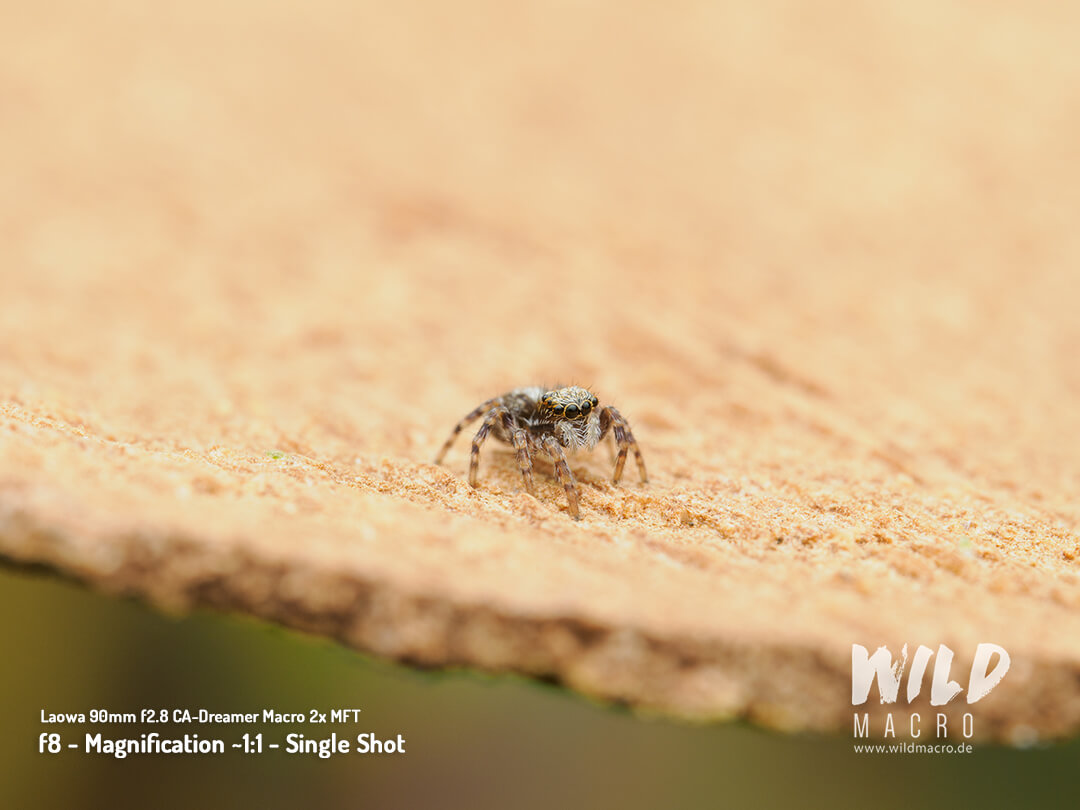
Even though I managed to find one jumping spider, the following photos do not represent my usual subjects and hence quality.
A tiny Pseudeuophrys lanigera jumping spider, photographed at 1:1 magnification (left) and 2:1 magnification (right).




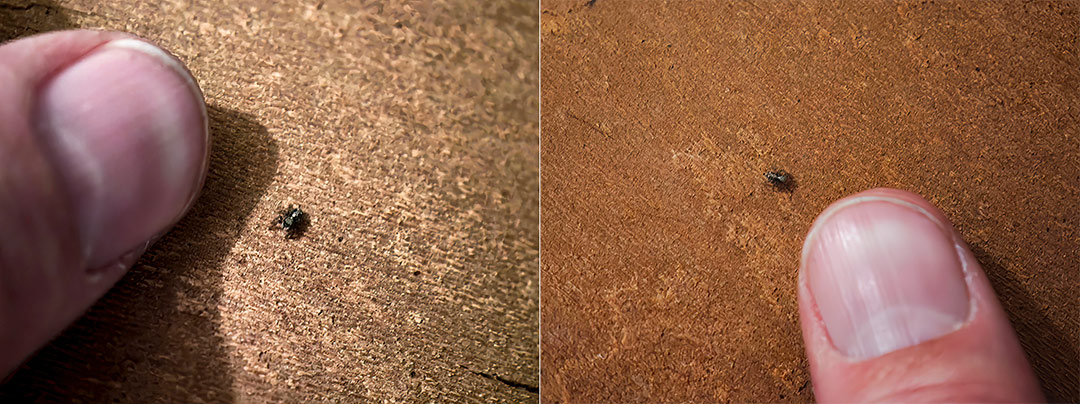
To get a better idea of the extreme magnification the Laowa 90mm 2x is offering, check these photos of the above photographed jumping spider for comparison with my thumb.
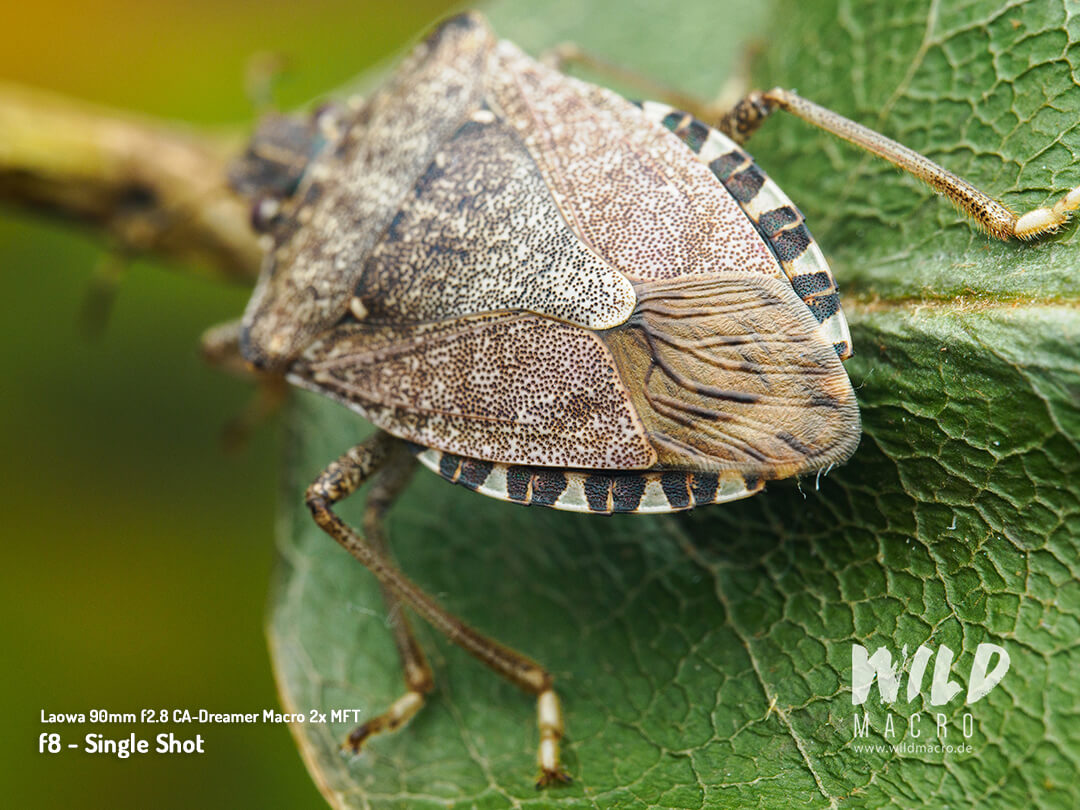
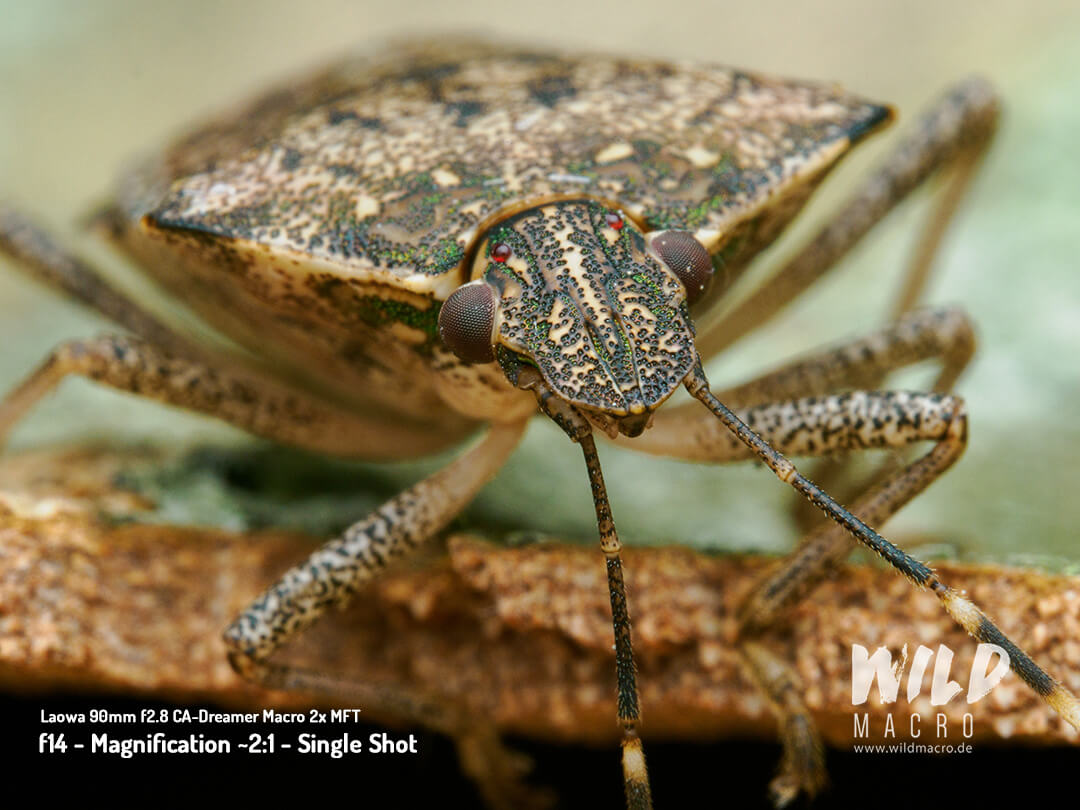
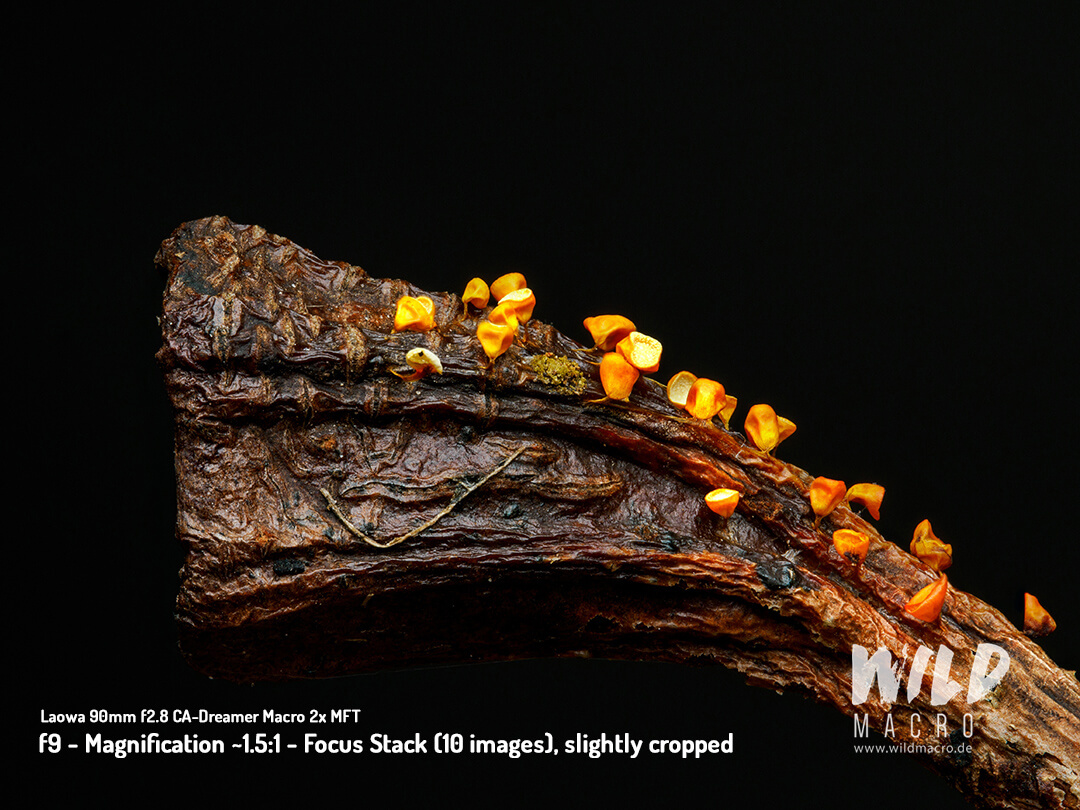
Here are some more shield bugs, a spider and some slime mold I found:

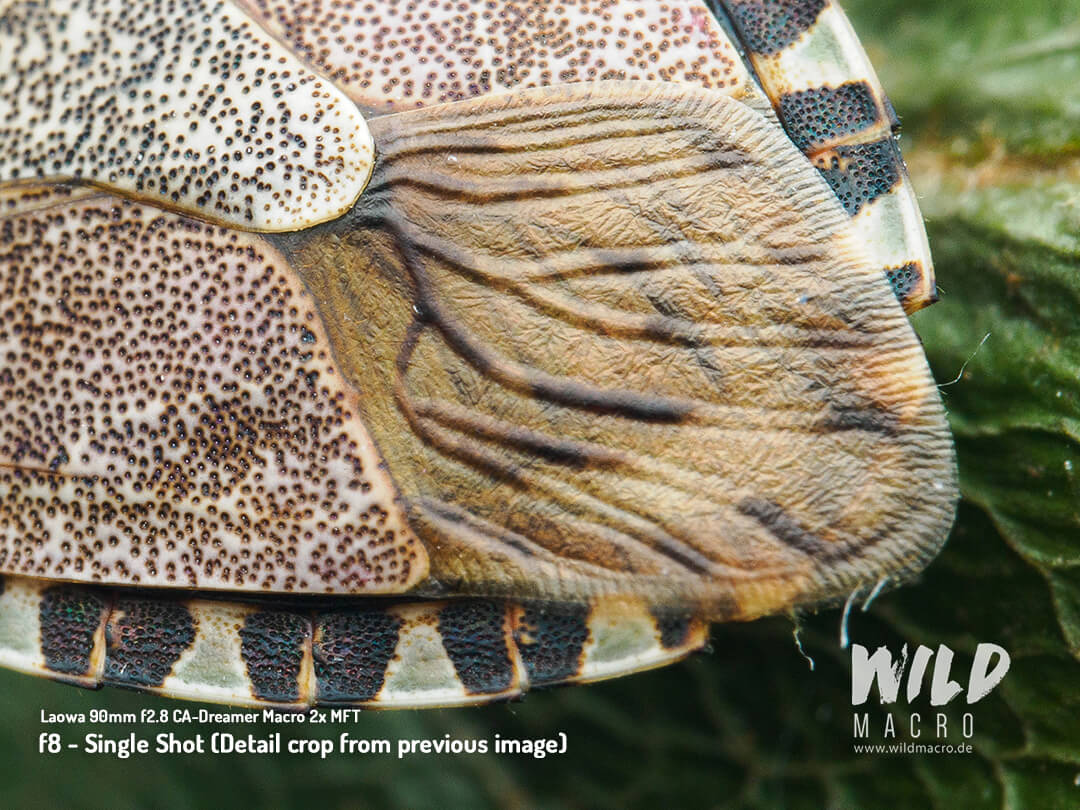









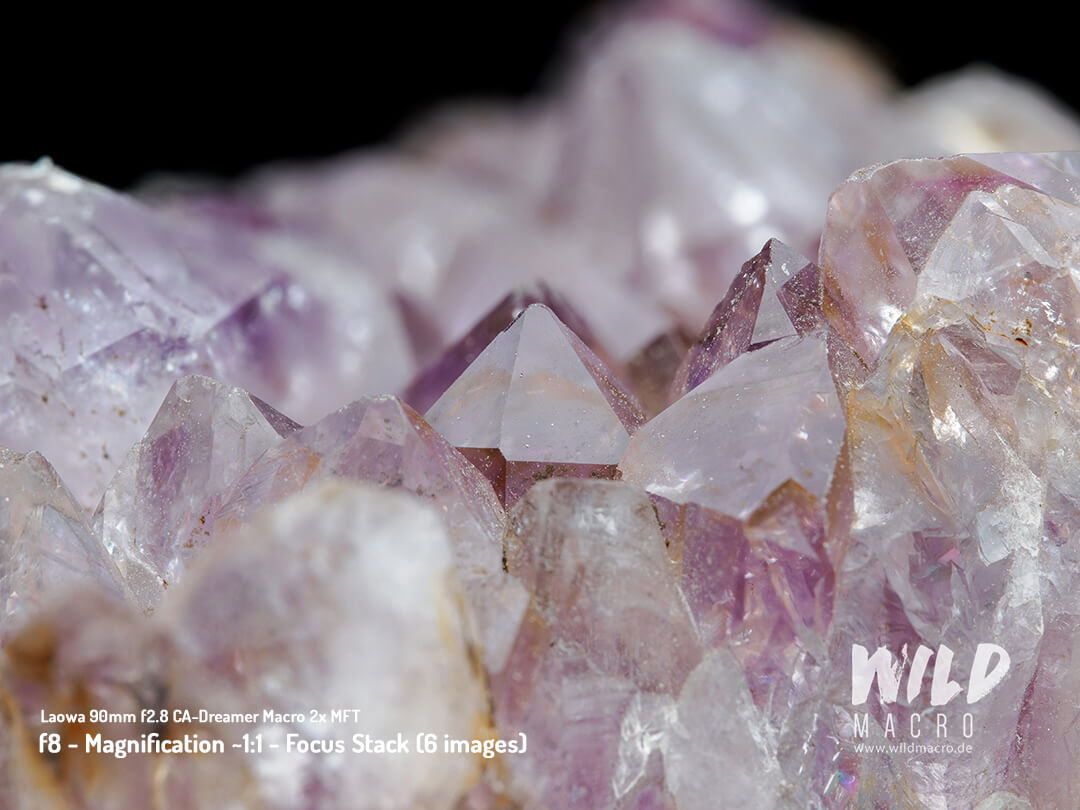
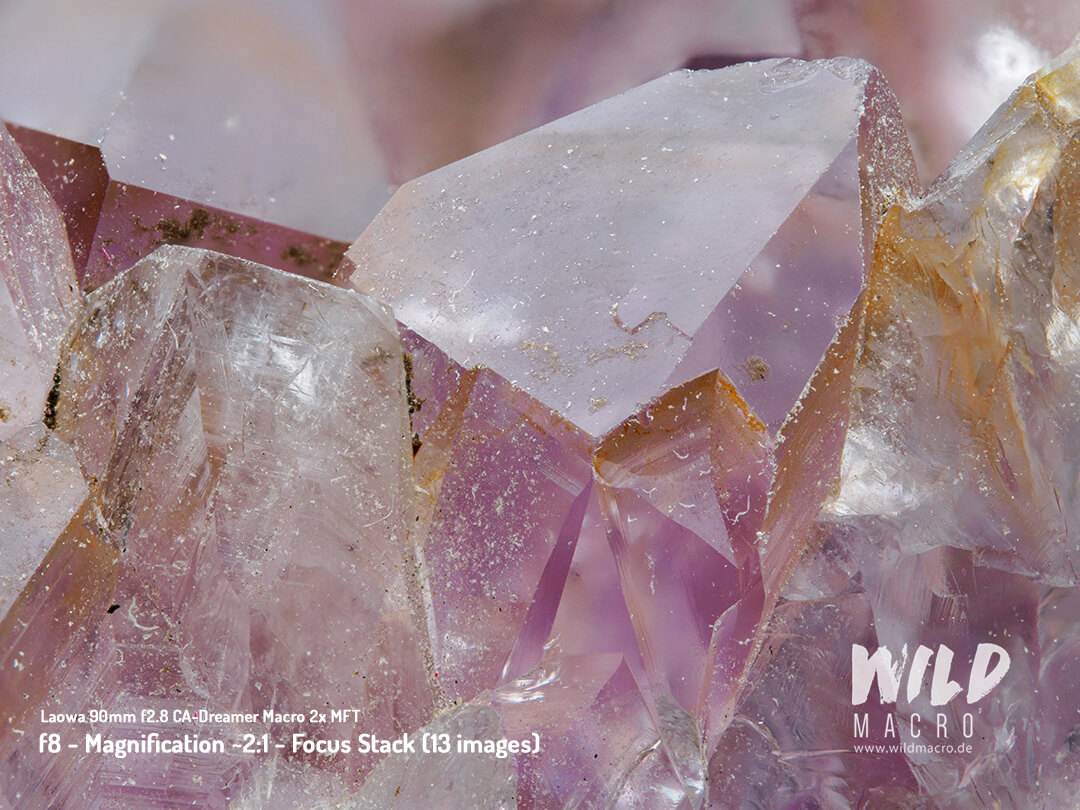
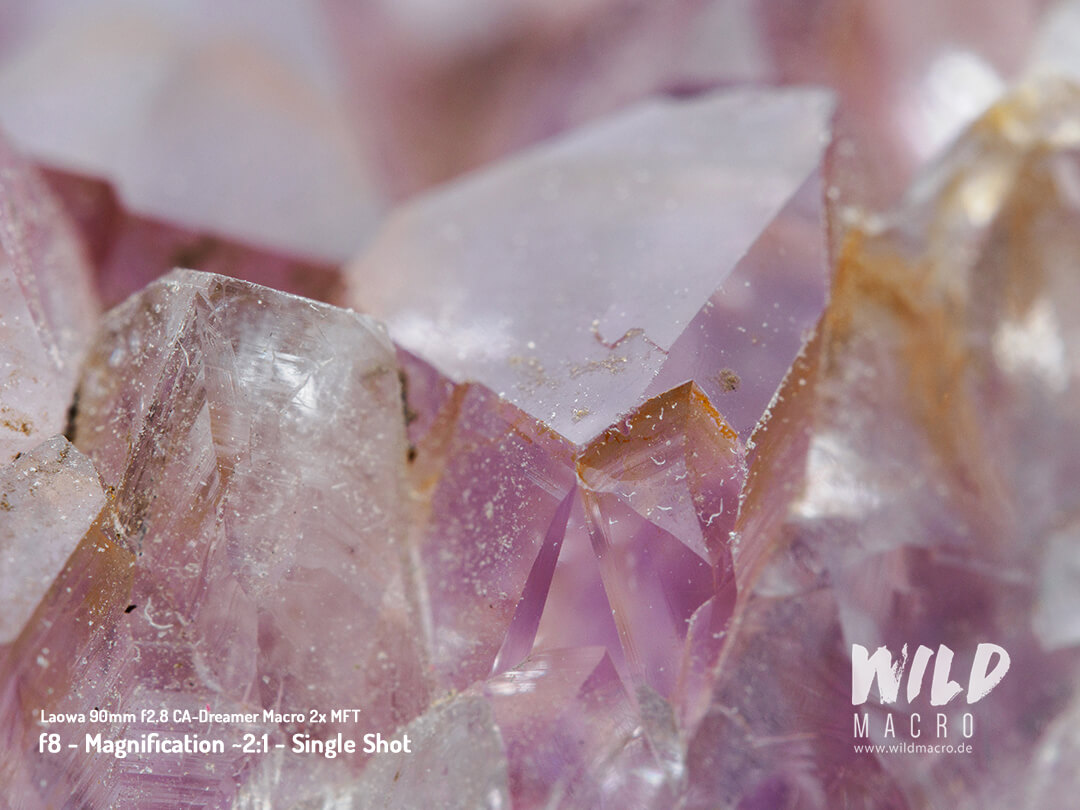
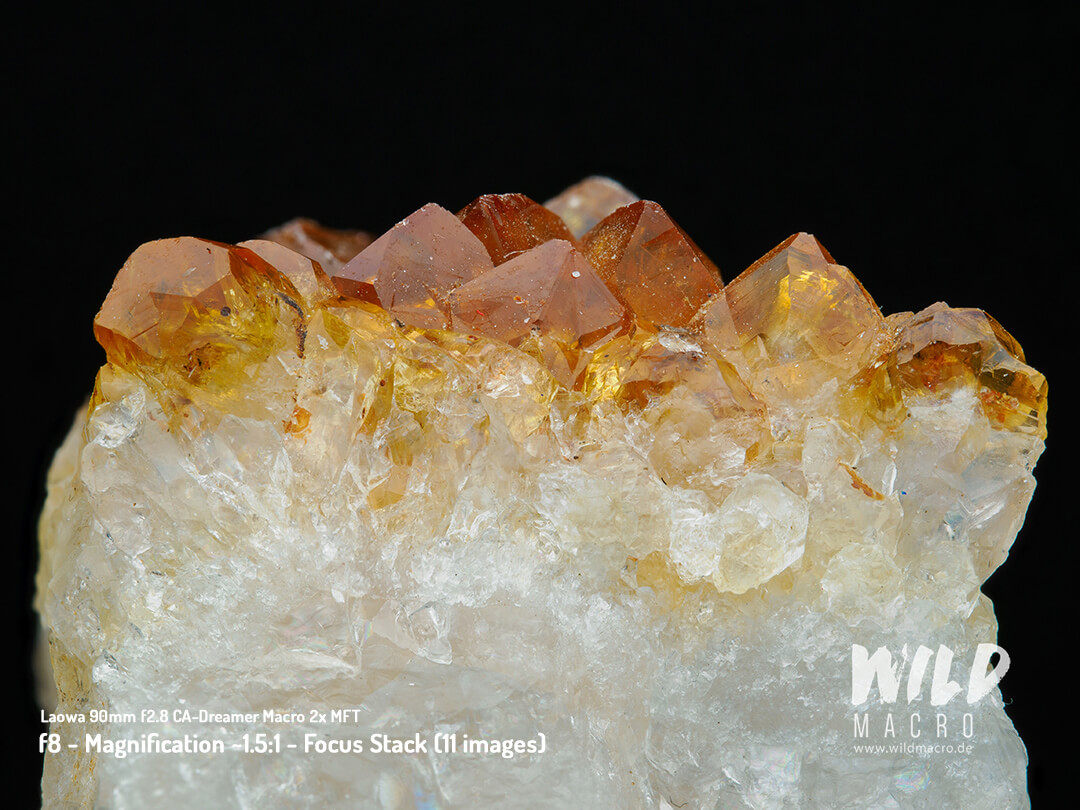
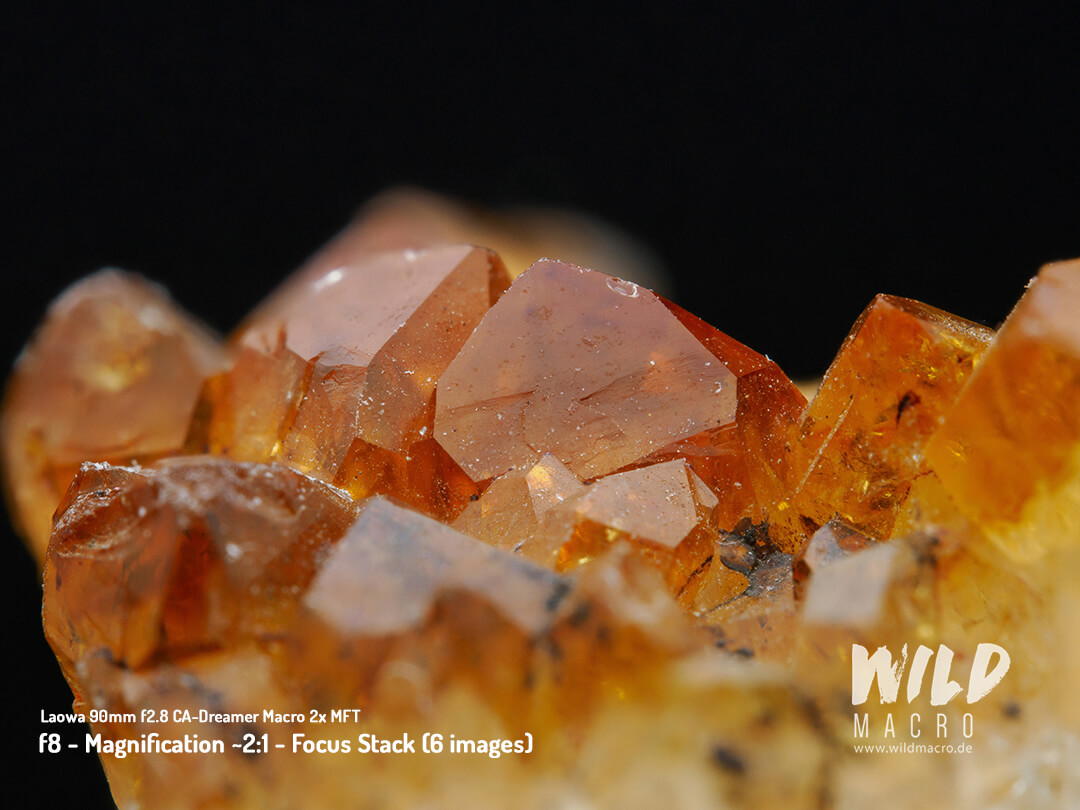
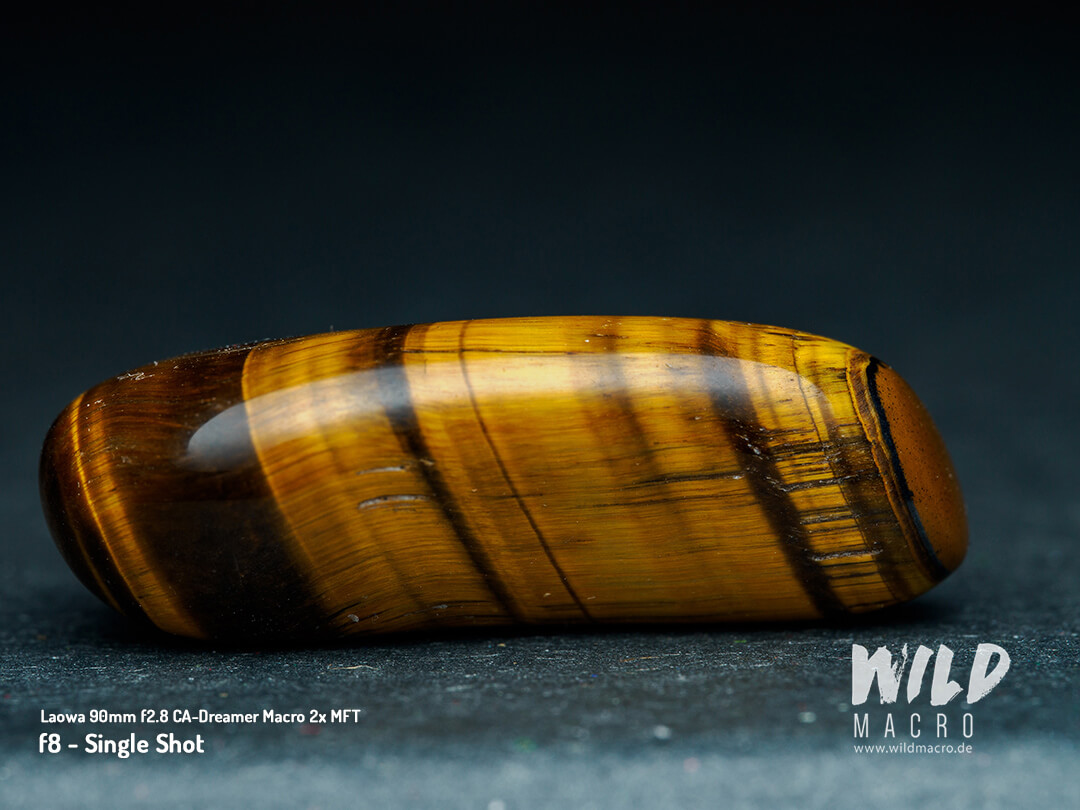
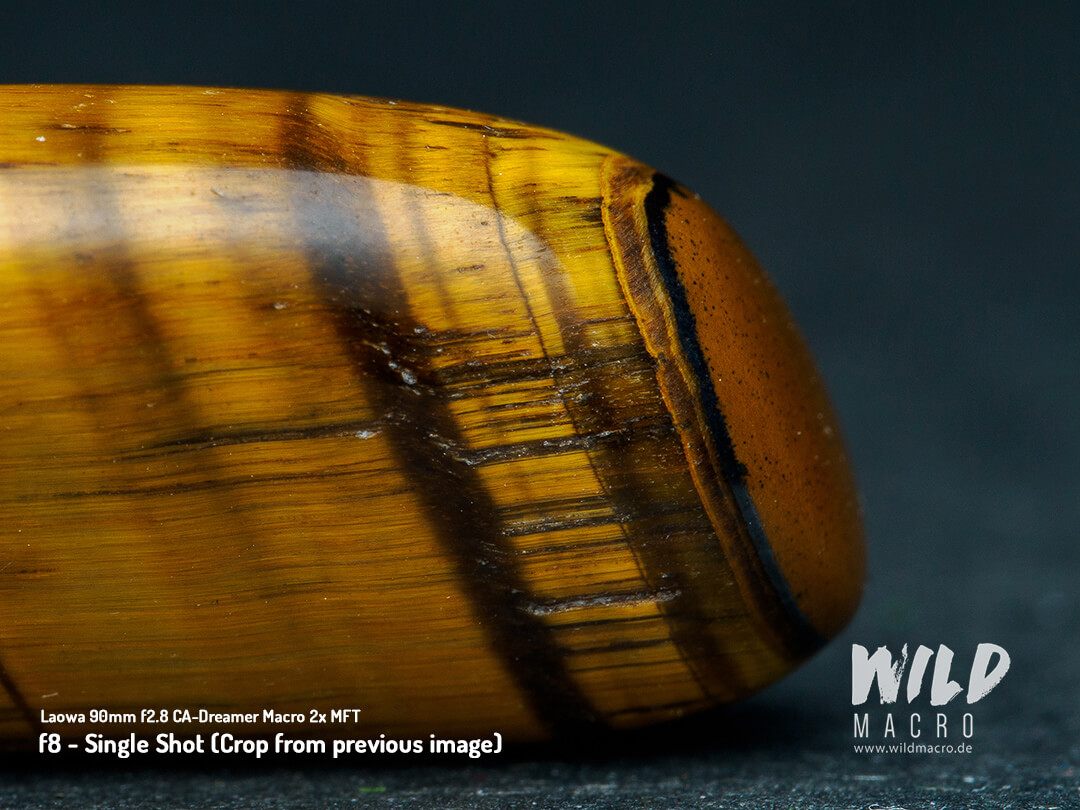
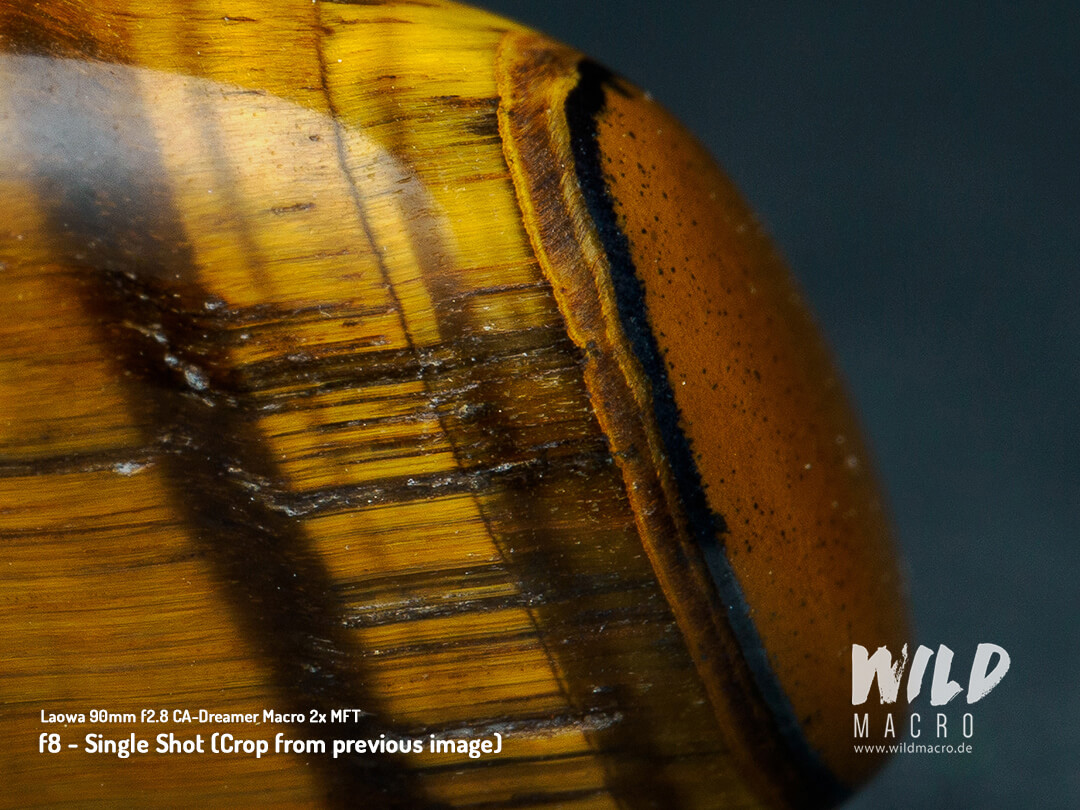
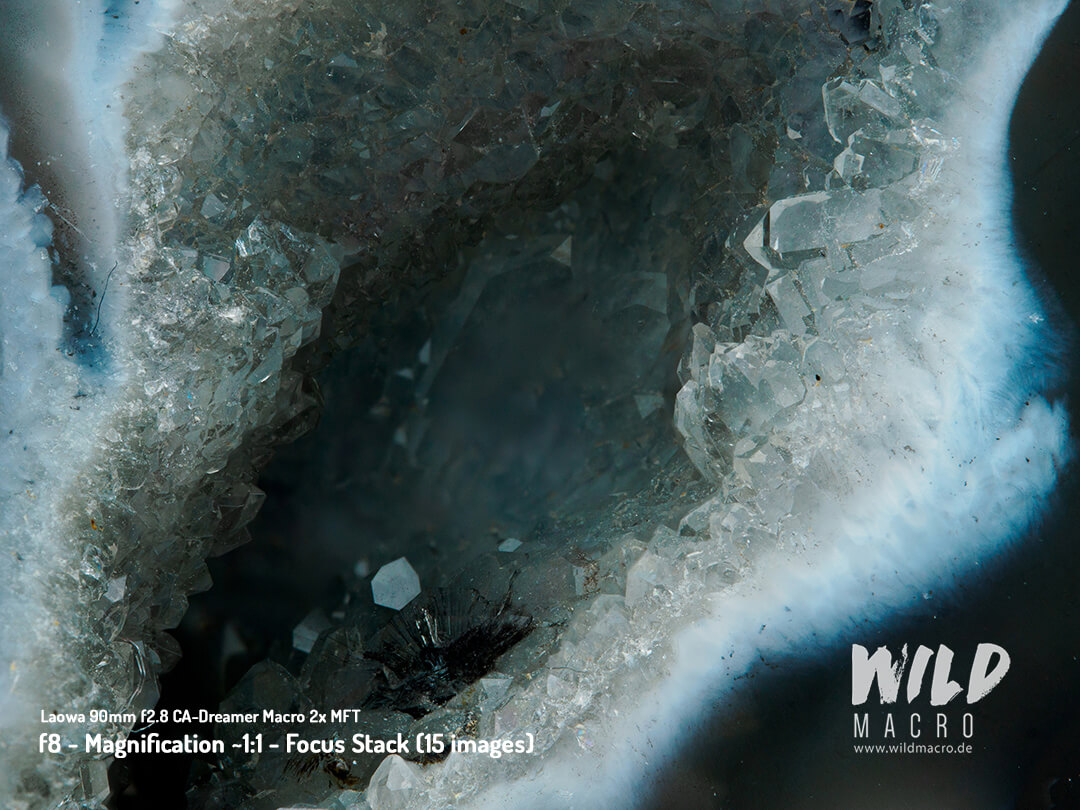
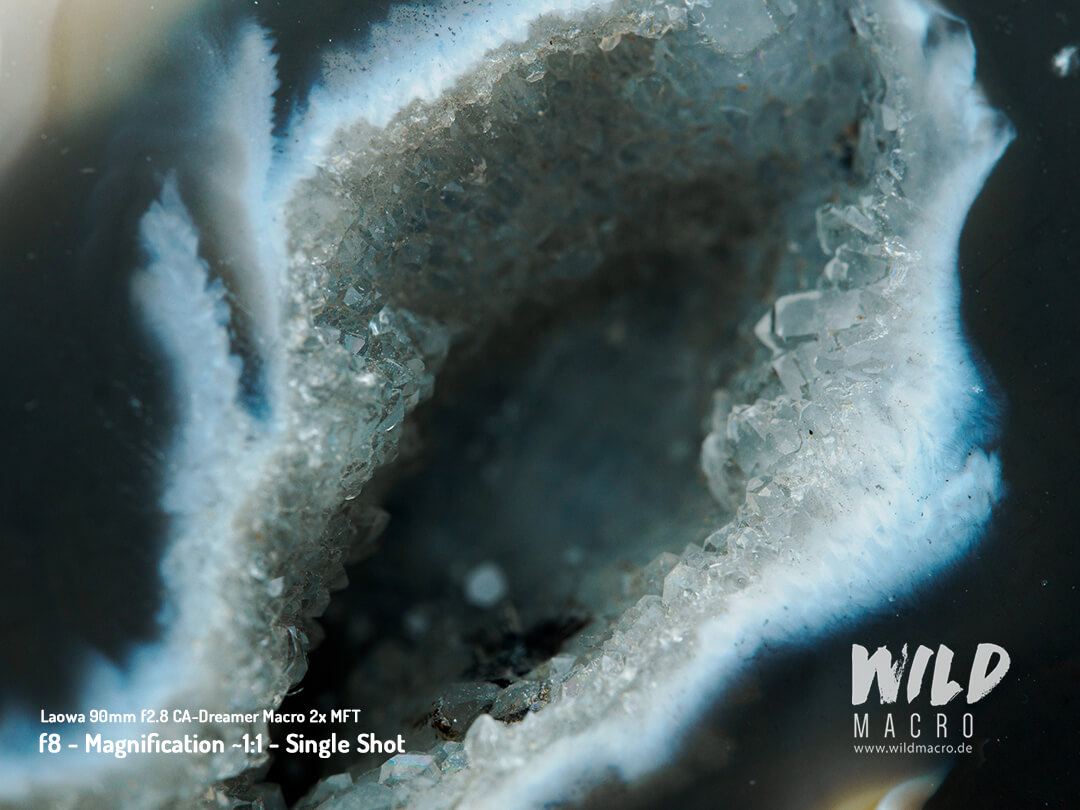
Minerals are also great subjects to test a macro lens on, so I did some handheld, manual focus stacks of minerals, too.

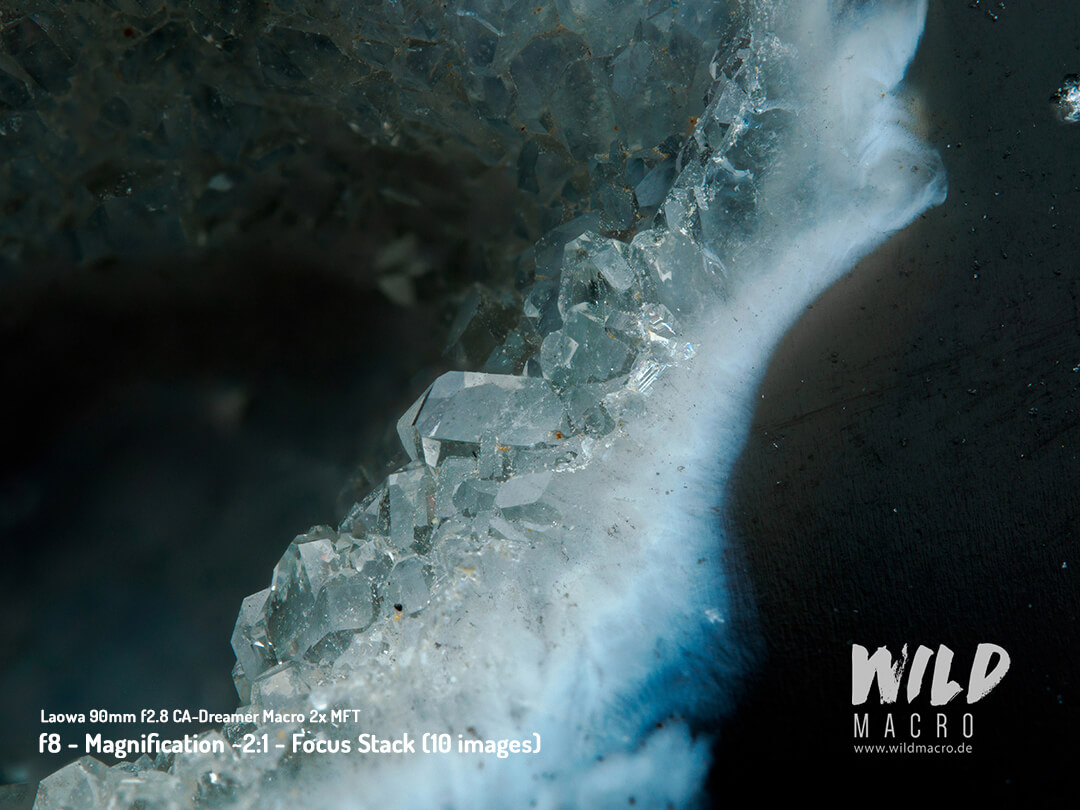
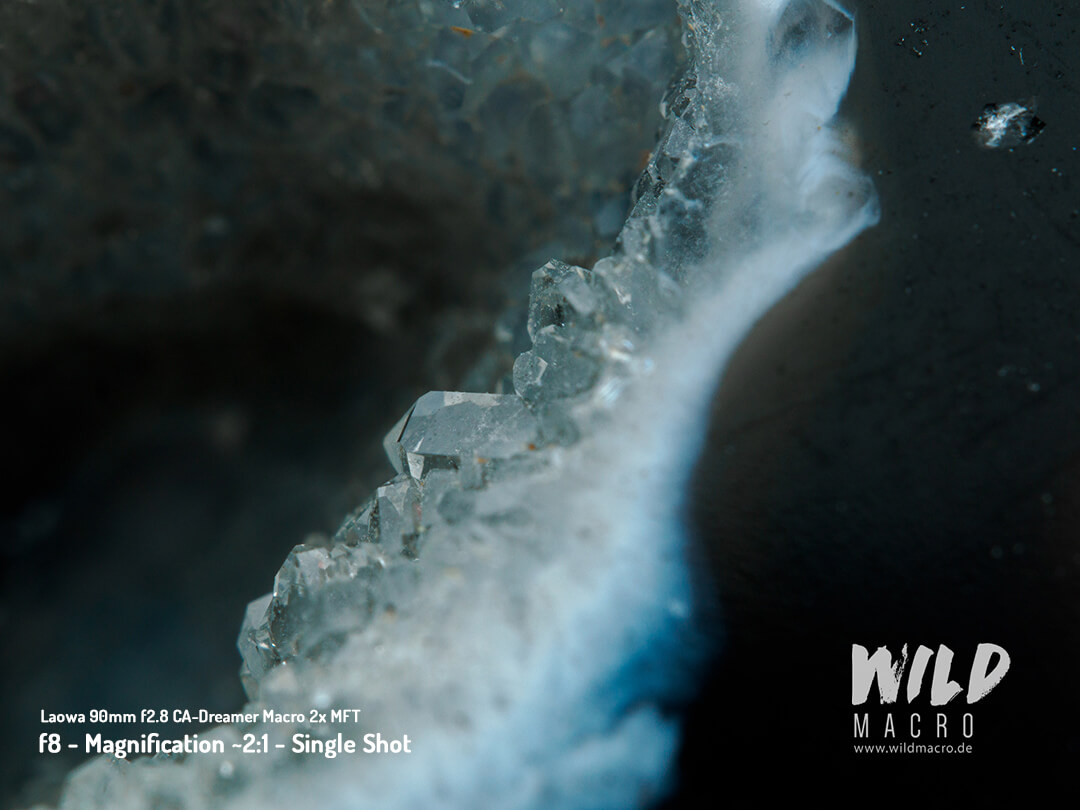

I will add more photos, once spring is here and there are more invertebrates around.
Conclusion
Do I like the LAOWA 90mm f2.8 2:1 macro lens?
I sure do, as it is both a beautiful and versatile lens.
The lens build quality is great and I also enjoyed handling this lens, which feels considerably heavier than my standard OM SYSTEM macro lenses.
It is a specialist lens, as you might need (more) time to focus manually – no matter if you are using the 90mm for macro photography or portrait work.
From a wildlife macro photographer´s perspective, this lens would probably not be the perfect choice for a field trip, where it is about getting your shot of living, moving specimens as quickly as possible.
If you frequently use automated focus stacking and bracketing, this lens will not make you happy in this particular event.
However, you can still create manual focus stacks by moving your camera towards the subject – the classic technique that we have been using before we had the automated features in-camera.
It will only slow you down a bit.
For stationary work or relatively slow and/or big specimens, the LAOWA 90mm f2.8 2:1 offers is a great tool and rewards your trust in it with razor sharp, contrasty images.
The look very much reminded me of my macro photos taken with the LAOWA 50mm 2:1 and I have always loved how you could instantly tell these images apart from other lenses.
In my opinion the contrast and rendering of colours of the LAOWA macro lenses is unmatched.
For roughly half the price of other, AF-enabled, lenses you will get a quality macro lens with high optical characteristics and an impressive 2:1 magnification to get really close to your subjects.
Your Feedback
If you own the LAOWA 90mm f2.8 2x, what is your opinion on the lens, what are your experiences and what pros and cons have you found so far?
Feel free to share in the comments and let´s discuss.
I am looking forward to your feedback – Thank you!
Buying the LAOWA 90mm f2.8 2x Ultra Macro Lens

Buy directly in LAOWAs onlineshop, here.
Price: 499 USD

Buy from the Foto Koch Onlineshop, here.
Price: 659 Euro
Sign up for the newsletter mailing list & free ebook

Did you enjoy these tips and want to learn more or improve your macro photography skills?
Stay up to date with new blog posts, reviews and tutorial- and ebook-releases.
Sign up below to get notified when the free edition of my ebook
‘How to master spider & insect macro photography’ is ready for download.
No Comments